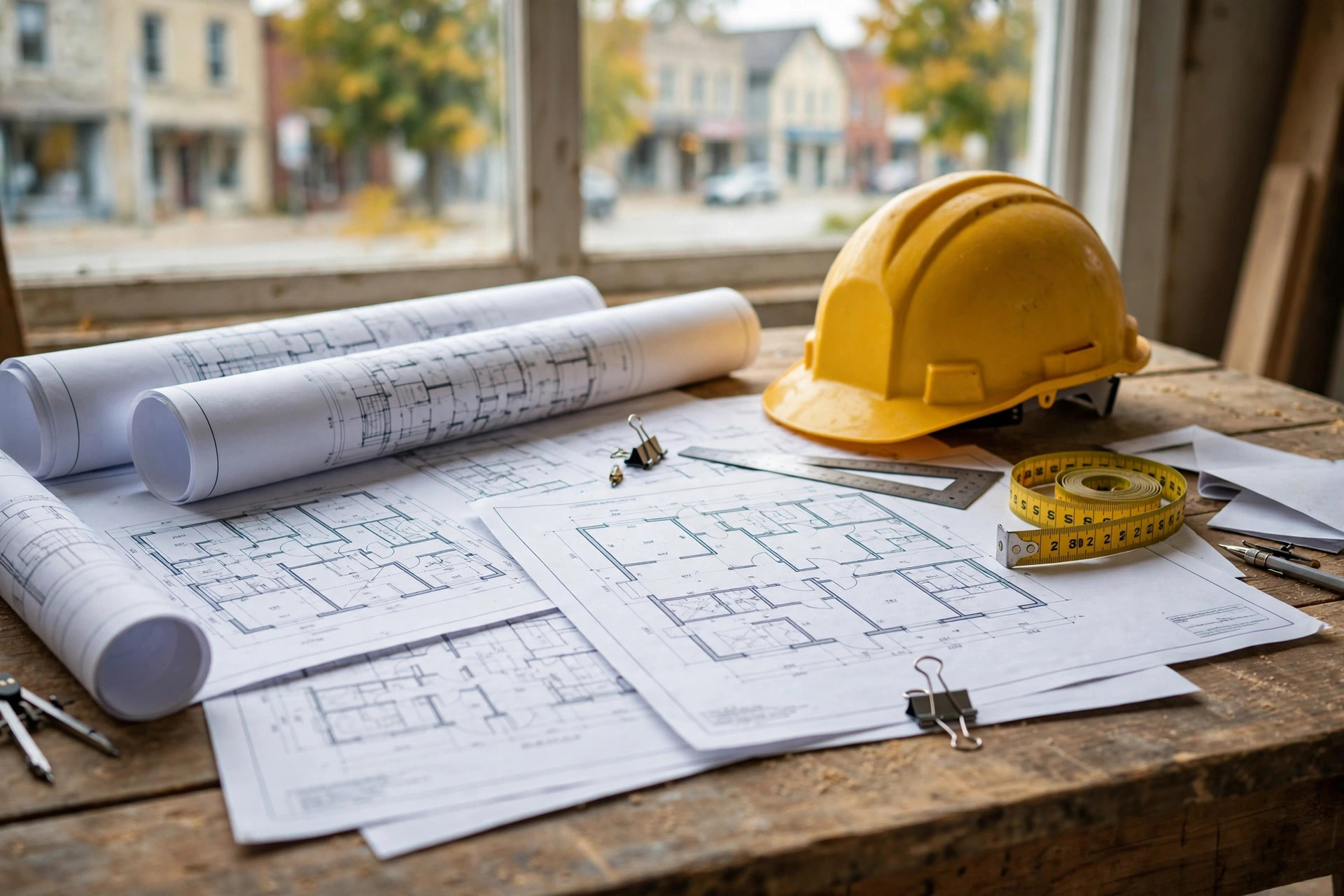
In my day job, I design and build prototypes for next-generation products. The work only succeeds if there’s a process — a defined way of deciding, checking, and building that keeps you honest about what you’re doing and why. When you follow it, you catch the problem on paper. When you skip it, you catch the problem in the field, where fixing it costs ten times as much.
It’s easier to do it right the first time than to do it twice.
I keep asking myself why council doesn’t work a little more like that.
Too many decisions in a town like ours seem to follow the opposite sequence: decide first, then consult, then discover the problems the decision created — and spend the next year, and the next budget, solving problems we made ourselves. By then the money is spent, the positions have hardened, and residents are left wondering why nobody asked them at the start, when their input could actually have changed the outcome.
Here’s the standard I’d bring to the table.
Start with the problem, not the answer.
On housing especially, we need to get more creative — but creative has to start with an honest question: what problems are we actually trying to solve? Homes young families can afford? Rentals for people starting out? Smaller places so seniors can stay in town? Those are different problems, and they lead to different decisions. If we can’t name the problem clearly, we have no business approving the solution.
Consult up front, not after the fact.
Public consultation shouldn’t be a box you tick once the drawings are done. Bring residents in ahead of development, ahead of the decision, while the plan can still change. That’s not slower. That’s how you avoid doing it twice.
Expect builders to be good neighbours.
Growth is coming to Mitchell whether we like it or not, and good builders are part of how a town grows well. But being a good neighbour isn’t transactional. We can’t let builders run amok and leave our town in disrepair while units go up — roads torn up, sites left a mess, neighbours left to deal with it. Clear expectations, set before the first shovel, protect both the town and the builders who do it right.
None of this is complicated. It’s a process: define the problem, ask the people affected, set the expectations, then decide — once, properly. That’s the discipline that keeps me honest at work, and it’s the discipline I think Mitchell deserves at the council table.
If I’m elected, that’s how I’ll approach every file: do it right the first time.
What would you like to see done right the first time in Mitchell? Reach out through benformitchell.ca. I read everything, and I’ll respond.