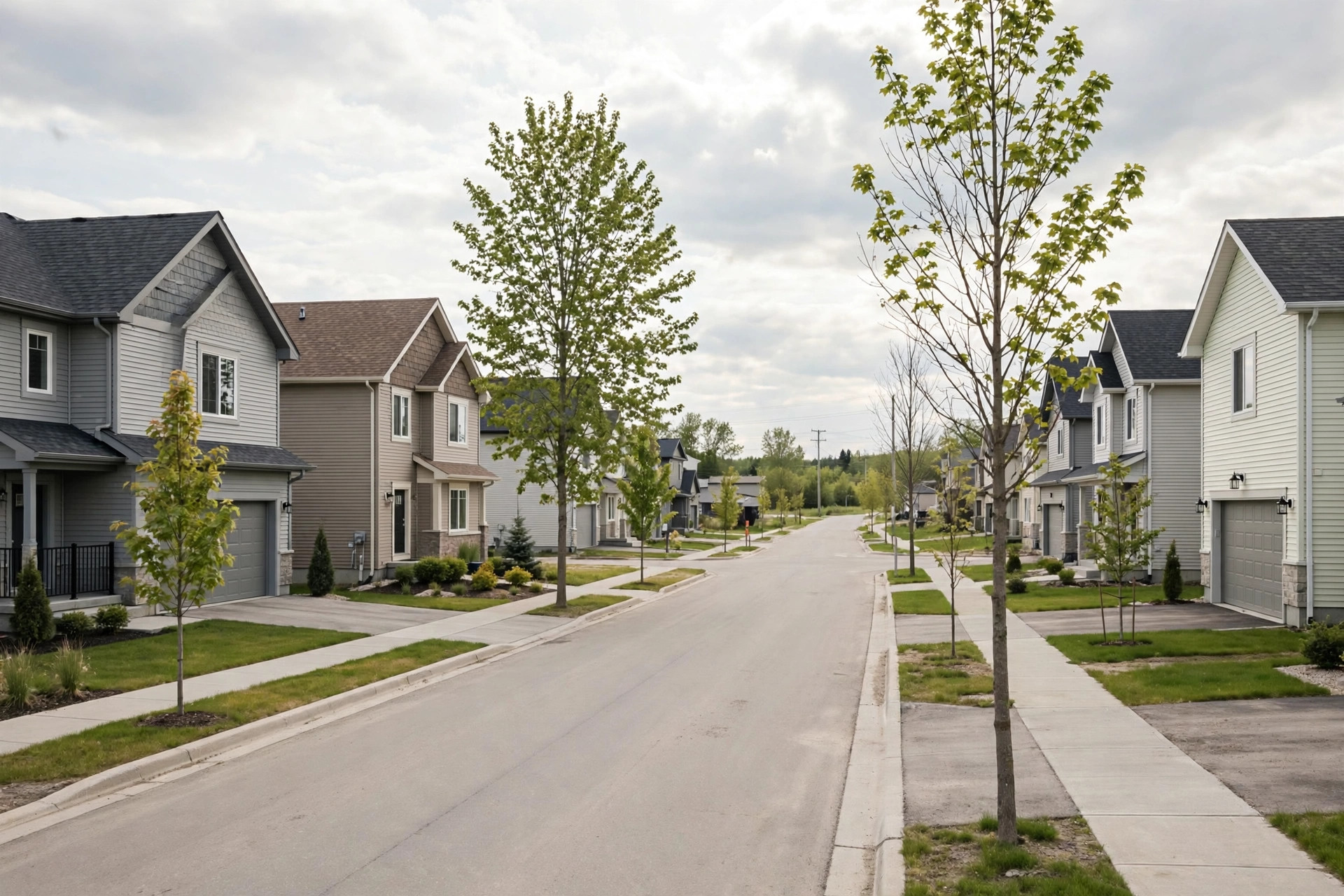
There’s no avoiding the conversation: housing has gotten harder to afford, and not just in big cities. It’s here in West Perth too.
I hear it from people my own age who grew up here and would love to stay — but can’t find a rental that fits the budget or a first home they can realistically buy. I hear it from parents whose kids are worried that their kids will grow up into a market that is unattainable for them. And I hear it from seniors who raised families in big houses they’d gladly downsize out of, if there were something smaller and sensible in the same town where their friends, church, and doctors still are.
Those are three different problems, and they need more than one kind of answer.
What “more housing” actually means in a town like ours
When people say West Perth needs more housing, they don’t all mean the same thing. We need:
- Entry-level homes young families can actually purchase
- Rental options for people starting out, between homes, or who simply prefer to rent
- Smaller homes and accessible units so seniors can stay in West Perth as they age
- A mix in between — semi-detached homes, townhomes, and modest in-law suites that let families help each other out
A healthy town has a spectrum. Right now, too many rungs of that ladder are missing, and people are falling off at both ends.
Needs first, approvals second
My position is simple: assess what the community actually needs, then write bylaws that let us build that — and stand firm on the rest.
Before approving new development, we should be asking hard questions. Who is this housing for? Does it match what West Perth families are looking for? Does the infrastructure — water, roads, schools — support it? Smart growth means matching new builds to real needs, not just approving whatever lands on the table.
That’s how we expand housing choices without opening the floodgates to unmanaged high-density growth that changes the character of the town people chose to live in.
West Perth just lived the other approach. This spring, council dealt with a 216-unit stacked-townhouse proposal on about six acres. At the April 7 public meeting, residents raised traffic, parking, snow storage, stormwater, schools at capacity, and childcare waitlists — exactly the “needs first” questions I’m talking about. On April 20, council approved the rezoning anyway, at 43 units per hectare against the roughly 30 targeted in the original subdivision agreement, with no vote count recorded. Approvals first, needs second. To be fair: council has also approved housing with no opposition and no drama, so this isn’t about a council that blocks everything — it’s about consistency and process. The tools exist, too: an Affordable Housing Community Improvement Plan was adopted in October 2025, and a tiny/modular-housing motion went to that committee. The job now is using those tools deliberately and reporting the results.
Both extremes let residents down
Some people would like to see nothing built at all. I understand the impulse — I grew up here too, and I love this town the way it is. But freezing growth doesn’t freeze prices. It pushes them up, pushes young families out, and slowly leaves us with a town that only people who already own can afford to join.
At the same time, approving everything with no plan isn’t affordability policy — it’s chaos. Density in the wrong places, strains on services, and neighbourhoods that feel nothing like West Perth.
Responsible growth sits in the middle: a real needs assessment, bylaws that encourage the homes we’re missing, and the discipline to say no to what doesn’t fit.
Where I stand
If I’m elected, I’ll push for council to understand West Perth’s housing needs clearly — who’s struggling, what types of homes are missing, and where building makes sense — and then modernize our rules so those homes can actually get built. That includes putting the Affordable Housing CIP adopted last October to visible work: incentives tied to the homes we’re actually missing, with results reported in plain language so residents can judge whether it’s working. Growth should pay for growth, and it should never price our own kids out of the town that raised them.
Mitchell families deserve a path to owning a home in their own community. Let’s build it carefully, on purpose, and together.
What are you seeing out there — are you, your kids, or your parents struggling to find the right home in Mitchell? I want to hear it. Reach out any time; I read everything and I’ll respond.