
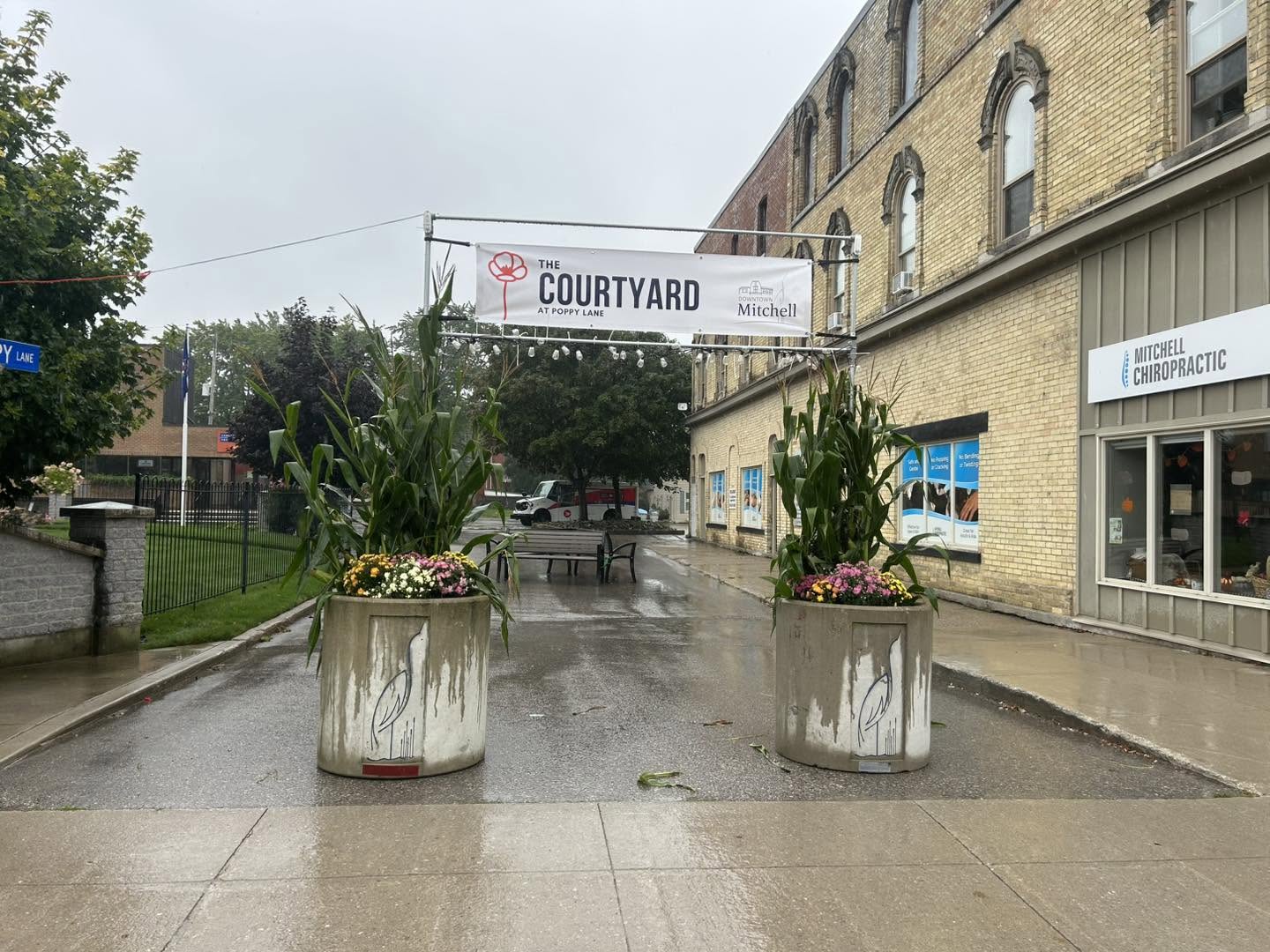
Since beginning of my campaign, the number one question I have been asked is some variation of “Do you think poppy lane should be permanently closed?”.
This issue is very important to the people of this community and I think it is a little more nuanced than a yes or no answer. For that reason, I would like to dig into both sides of the issue a little bit, give my official statement, how I would have voted had I been on council at the time and propose what I believe to be the best solution.
Since I know this is a very contentious issue, I know that many people will disagree with the opinions I give here. If you have feedback for me, recommendations or just want to tell me I am wrong, please reach out.
I am writing this because I believe in open communication both ways and I want to hear as many perspectives from the community as possible so that if the Poppy Lane issue is voted on again, I would have as much information as possible to make an educated vote.
The Argument to Close Poppy Lane
- Downtown Revitalization and Foot Traffic: The downtown core has faced economic challenges and decreased activity in recent years. Creating a walkable, interactive public space with seasonal lighting, public seating, markets, and live entertainment could be a vital tool to draw people in, encourage visitors to stay longer, and boost local retail sales.
- Success of Temporary Trials: The temporary winter closures have seen a lot of success over the previous two holiday seasons, a permanent installation could continue the momentum built through those events.
- Community-Led Investment: The BIA has indicated that improvement costs will be covered through the BIA levy and sponsorships rather than drawing from general municipal tax dollars and have seen support from many of the downtown businesses.
The Argument to Keep Poppy Lane Open
- Loss of Daily Access and Parking: Poppy Lane provides critical daily service access and parking for the post office and neighboring downtown businesses.
- Premature Timing and Scale: A full, permanent closure is currently not justified by the BIA’s actual event schedule, meaning the space risks sitting empty for large portions of the time and adding to parking congestion in an already tight core.
- Alternative Locations: Alternative locations have been proposed, such as the information center near Lions Park that could meet most of the same goals without the drawbacks of closing Poppy Lane,
My Official Stance and Proposed Solution
If I had been on council when the proposal to close Poppy Lane permanently came to a vote, I would have voted not to close Poppy Lane.
Revitalizing downtown Mitchell is a shared goal we should all be working toward, and the long-term vision of transforming Poppy Lane into a vibrant public courtyard for markets and community events has merit. The downtown core faces real economic pressures, and creating dynamic gathering spaces that draw people in is a step in the right direction.
However, permanently closing the alleyway based on the BIA’s current usage schedule is premature.
Poppy Lane provides essential daily parking and service access for the post office and neighboring downtown businesses. A full, permanent closure trades away vital day-to-day functionality for a courtyard that will sit empty for the vast majority of the week. Shutting down access now, before there is enough consistent programming to sustain it, risks hurting the very businesses we are trying to help by frustrating customers and adding parking congestion to an already tight core.
Moving forward requires a practical compromise from both sides. For the BIA, this means accepting that permanent fixtures and a full-time courtyard layout cannot be installed right away, as the space will remain open for regular traffic and parking most of the time. For the municipality and downtown businesses, it means embracing periodic, scheduled closures so the space can still come alive for events.
To make this hybrid approach work efficiently without burying the BIA in red tape, we should establish an annual or seasonal event schedule. The BIA can bring a comprehensive calendar of proposed market dates and community events in front of council all at once for a single vote, rather than requiring them to return to council chambers for individual approval every single time they want to close the lane.
This approach balances economic vitality with practical daily access. We can test out the courtyard concept, build community momentum, and support local events without sacrificing the parking infrastructure our downtown businesses rely on every day. Down the road, we can always explore a permanent closure with more public input based on the verified success and growth of the courtyard events.